
Prabal Gurung: “My Job Is Not to Make Women Beautiful. They Already Are.”

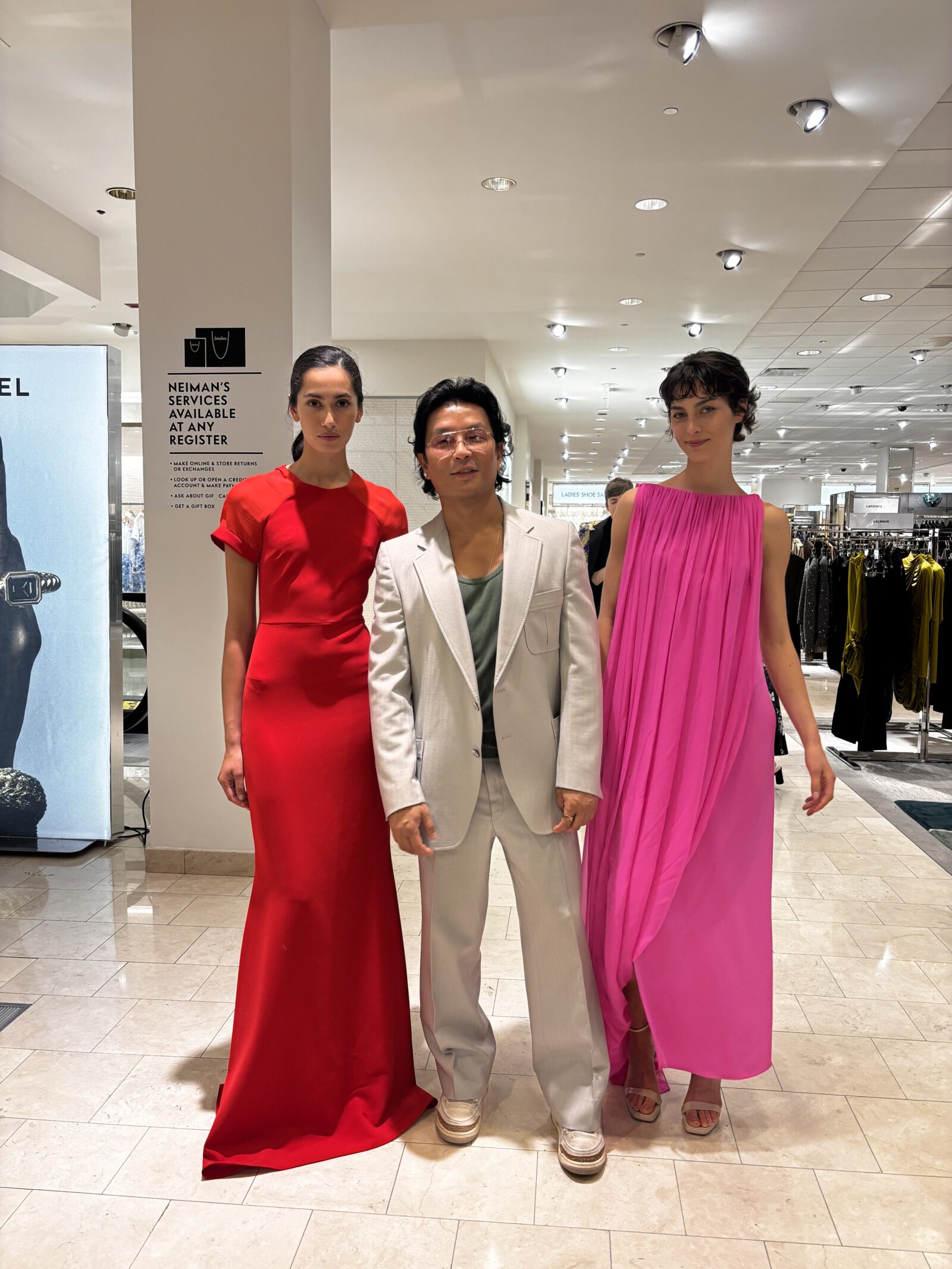
Prabal Gurung’s story starts in Nepal, in front of a television. A young Prabal watched Oprah Winfrey speak with authority and eloquence about living your dreams, and told his sister he wanted to try his luck in America. He enrolled at Parsons, eventually worked at Donna Karan and Bill Blass, and launched his own label. Chicago, it turns out, is where those threads first came together. I sat down with the designer during his Chicago visit at Neiman Marcus Michigan Avenue to talk about the city that changed his life, his loose and luminous Spring 2027 collection, and why the work that matters most happens far from the runway.
You’ve been coming to Chicago for years. What does the city mean to you?
I first came in 2010. I’d just made my first collection, and Oprah had asked me to make something for her, a piece for a magazine cover she was sharing for the first time. She flew me to Chicago. I’d never been. Meeting her was tearful, because she’s the person who inspired me to come to America in the first place. So Chicago holds an incredible memory for me.
After that, I came twice for campaigning and fundraising events for the Obamas, and I’ve kept coming ever since. It’s still cosmopolitan, but when people here ask how you’re doing, they mean it.
Chicago weather can swing from 10 degrees to 75 in one day. How would you style your current collection for that woman?
I always design with a woman in mind who’s getting out of a car and walking into a room. She’s wearing a pant or skirt, a blouse, a cardigan, and a jacket or coat over it. Those layers are staples for me, even if you’re wearing a dress, because you never control the temperature of the room.
Our cashmere cardigans are made in Nepal, and they’re perfect for this: you throw one on, or tie it around your shoulders when it gets warm. A blouse or cardigan plus a jacket or coat gives you almost four outfits for four days.
Spring 2027 is framed around “Ray of Light.” Was it a response to the devastating flooding in Nepal, or did the name come later?
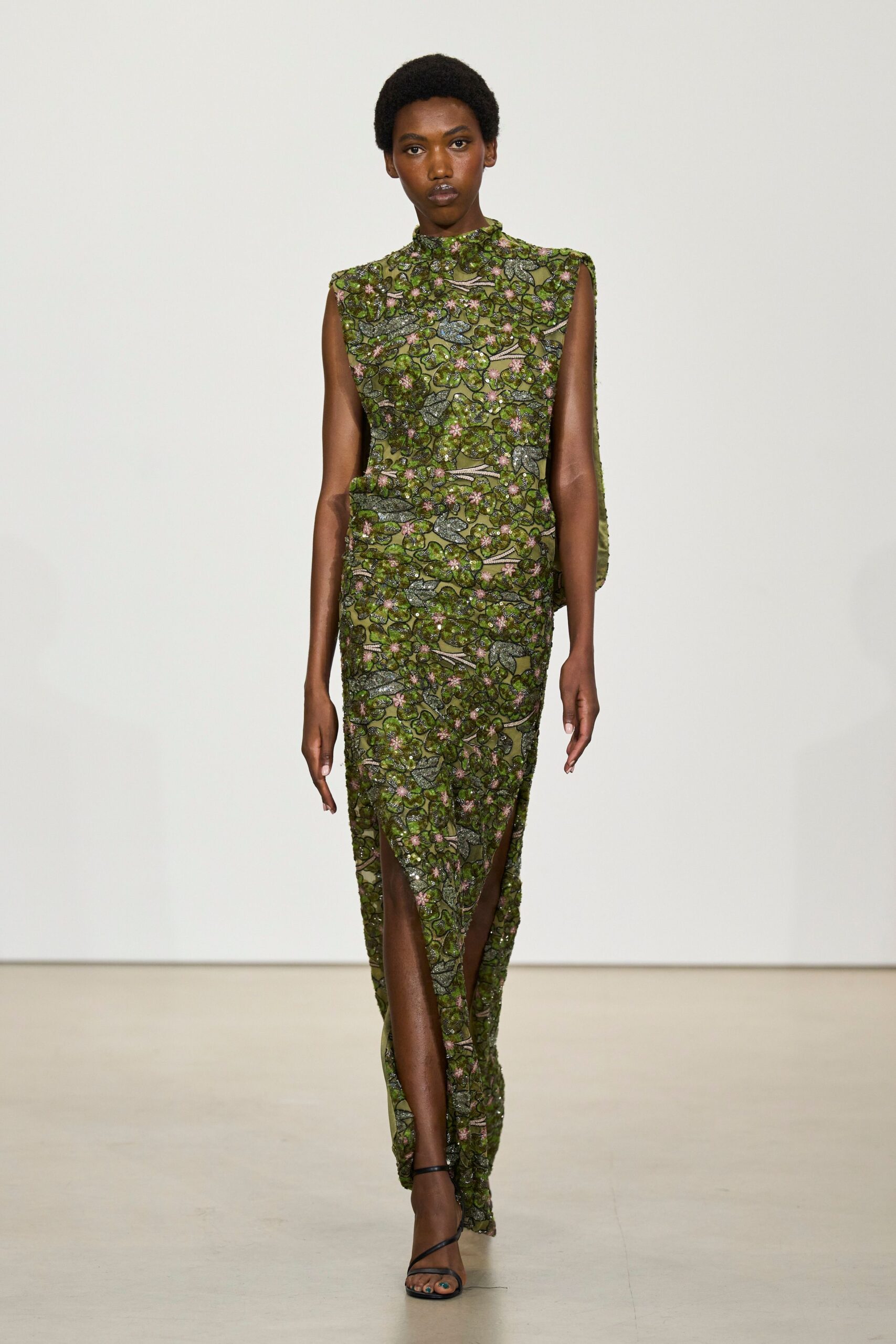
I started the collection well before the flooding happened, because we begin so far in advance. The idea was always about finding light and hope. But as we got closer to the show, the flooding happened, and the theme felt even more personal. It gave me a way to bring attention to what was happening back home.
There’s a collective anxiety we all feel globally, whether it’s climate, politics, or something else. We have to talk about it, but we also need respite, a place where we can find joy. “Ray of Light” was my way of giving us permission to find each other and find hope, and to let her be free within herself.
You’re known as a morning person. What do mornings give you?
If you live in a big city, mornings are the one time that’s completely yours. I wake up very early, go for a walk, meditate, work out. In New York, it felt like a love affair between me and the city, because hardly anyone is out. You see stragglers coming home from after-parties and finance people heading to work, bleary-eyed. It’s a beautiful juxtaposition.
I also meditate, listen to music, journal, and read for at least thirty to forty-five minutes. I need all of it, because the demands of the day are so high.
Did that inspire your latest Resort collection, with its disheveled-after-a-party girl with a CEO on her way to work?
Yes. Who’s to say where hope, desire, ambition, and dreams are made? It could be early in the morning on the way to work, or coming home after an amazing night. I’m free of judgment about how people live. What matters is whether you’re living a life that’s truly yours, without needing applause. Applause is great, but if you don’t need it, that’s the biggest freedom.
Spring 2027 feels looser and freer than past collections. Tell us about your favorites.
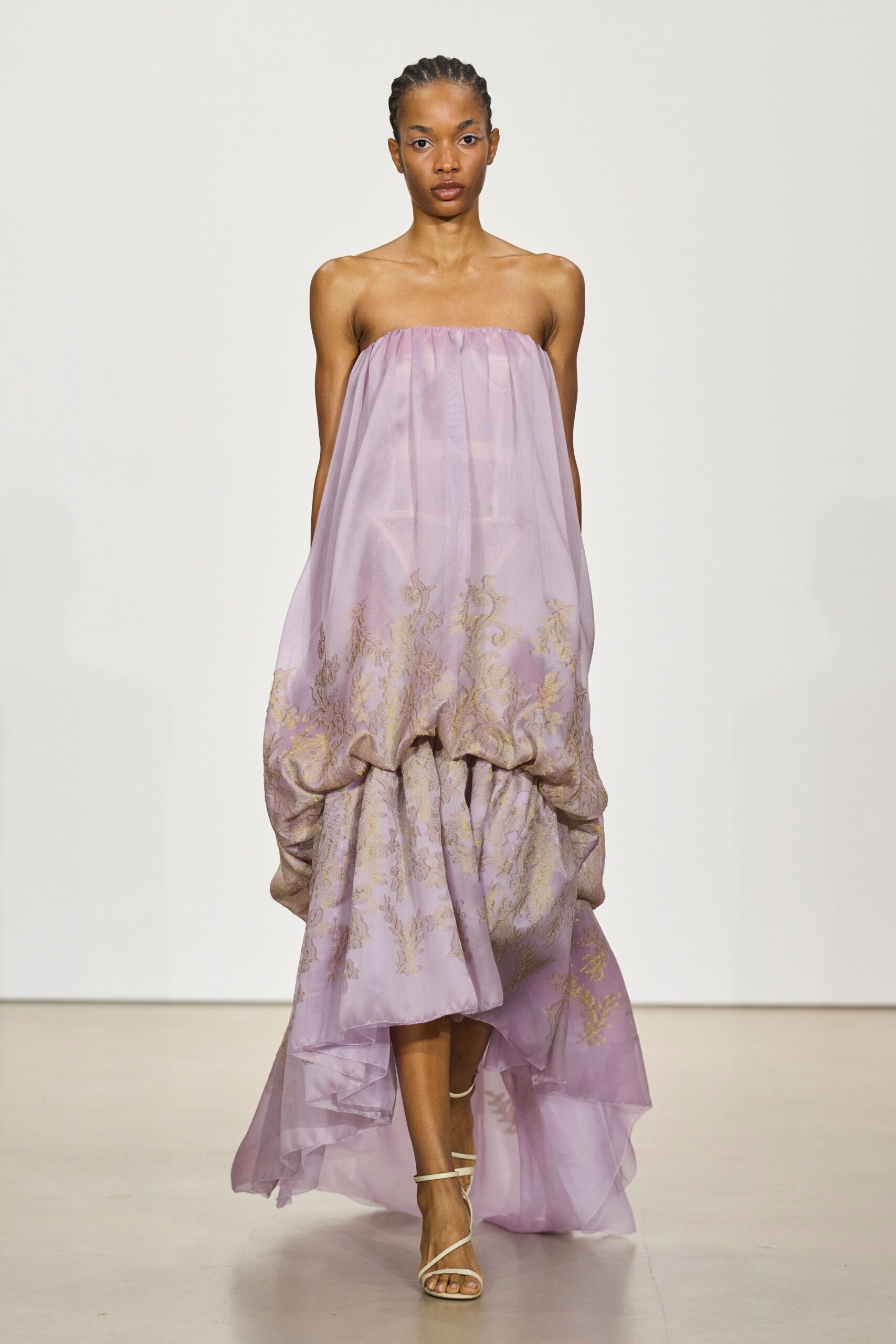
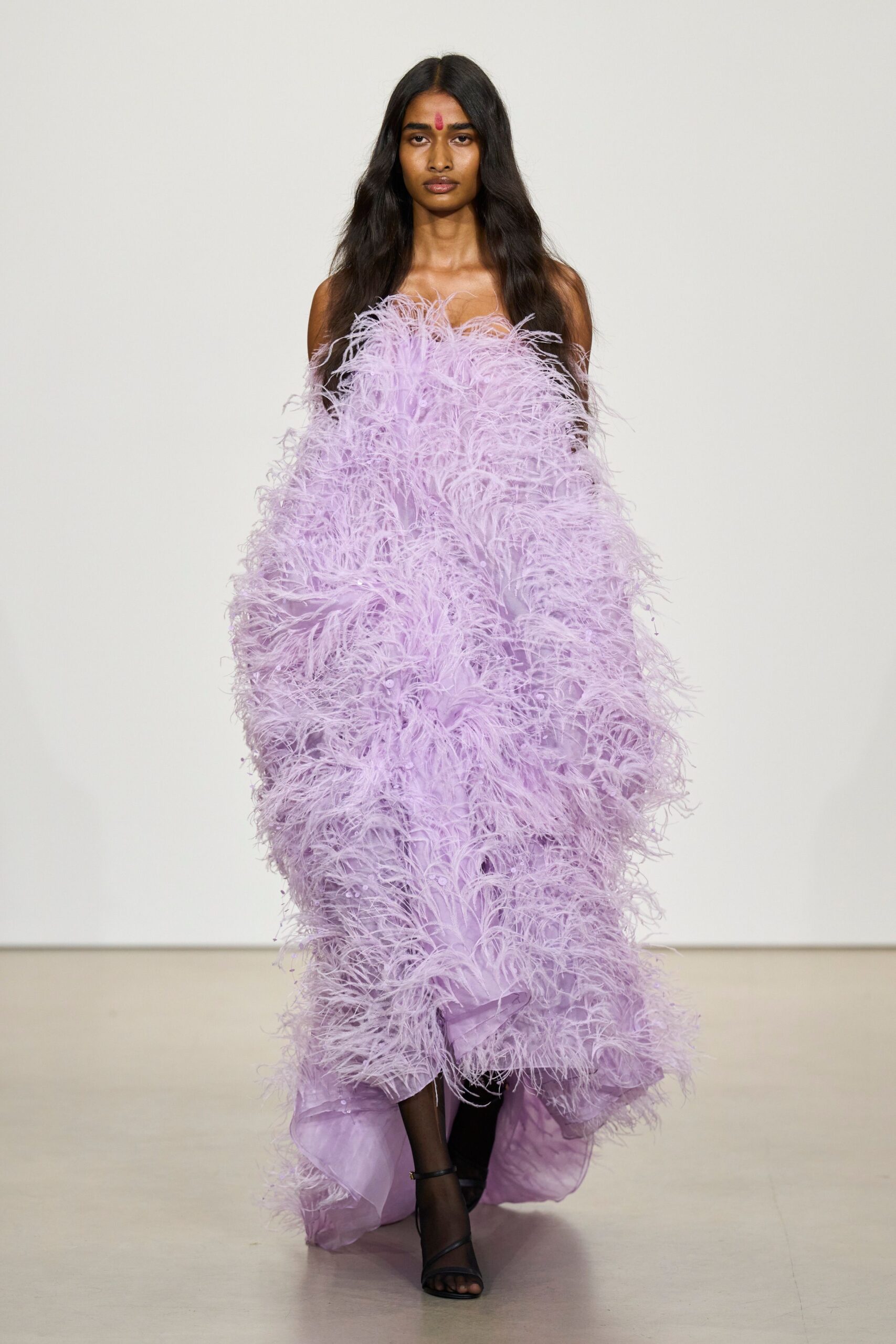
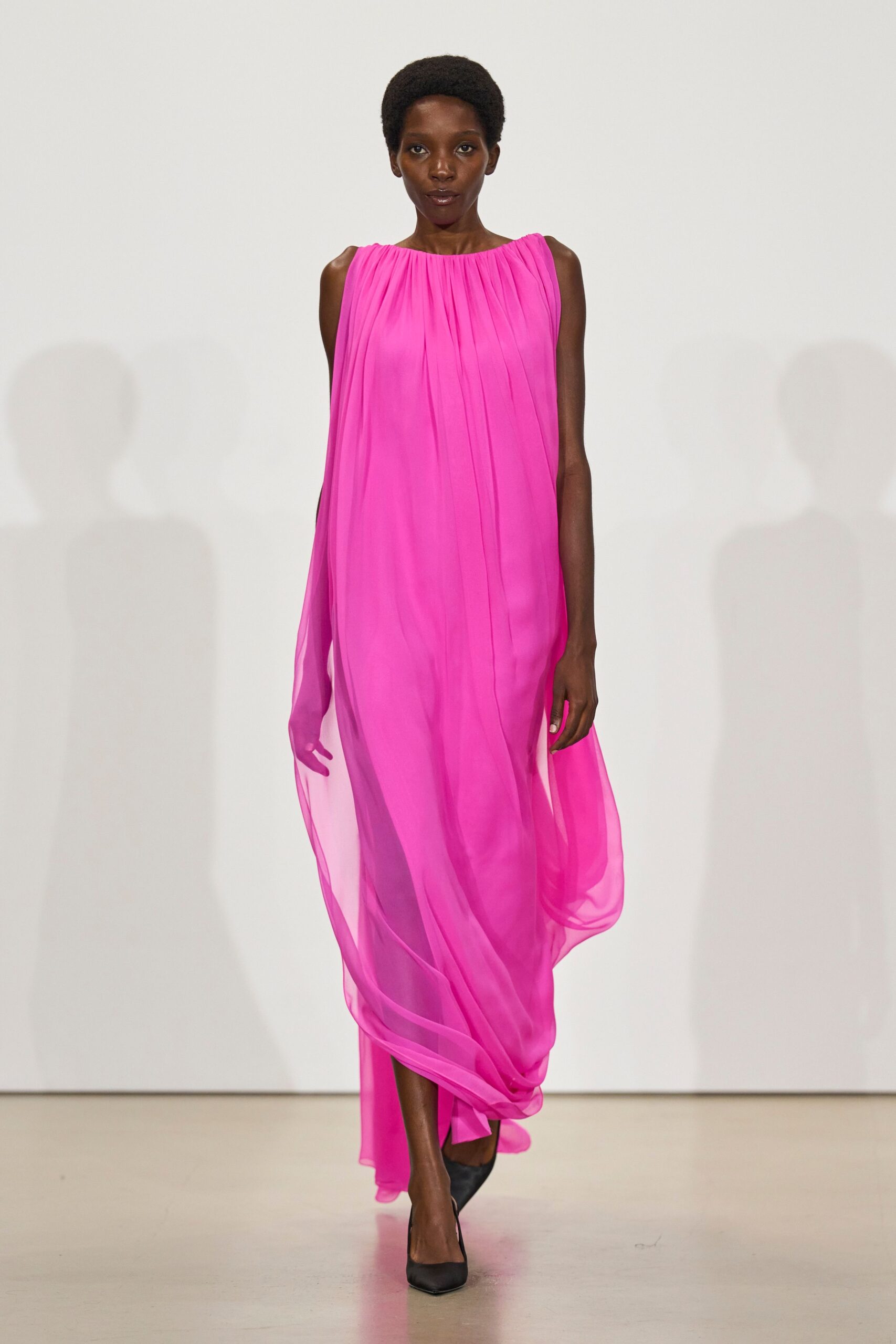
For seasons, fashion has been about corseted, body-celebrating silhouettes. That’s great, but I also think women need room to breathe. These dresses are loose, but they’re structured beautifully, so they hold her. I hate it when people are constantly adjusting. There’s an ease to how she walks in.
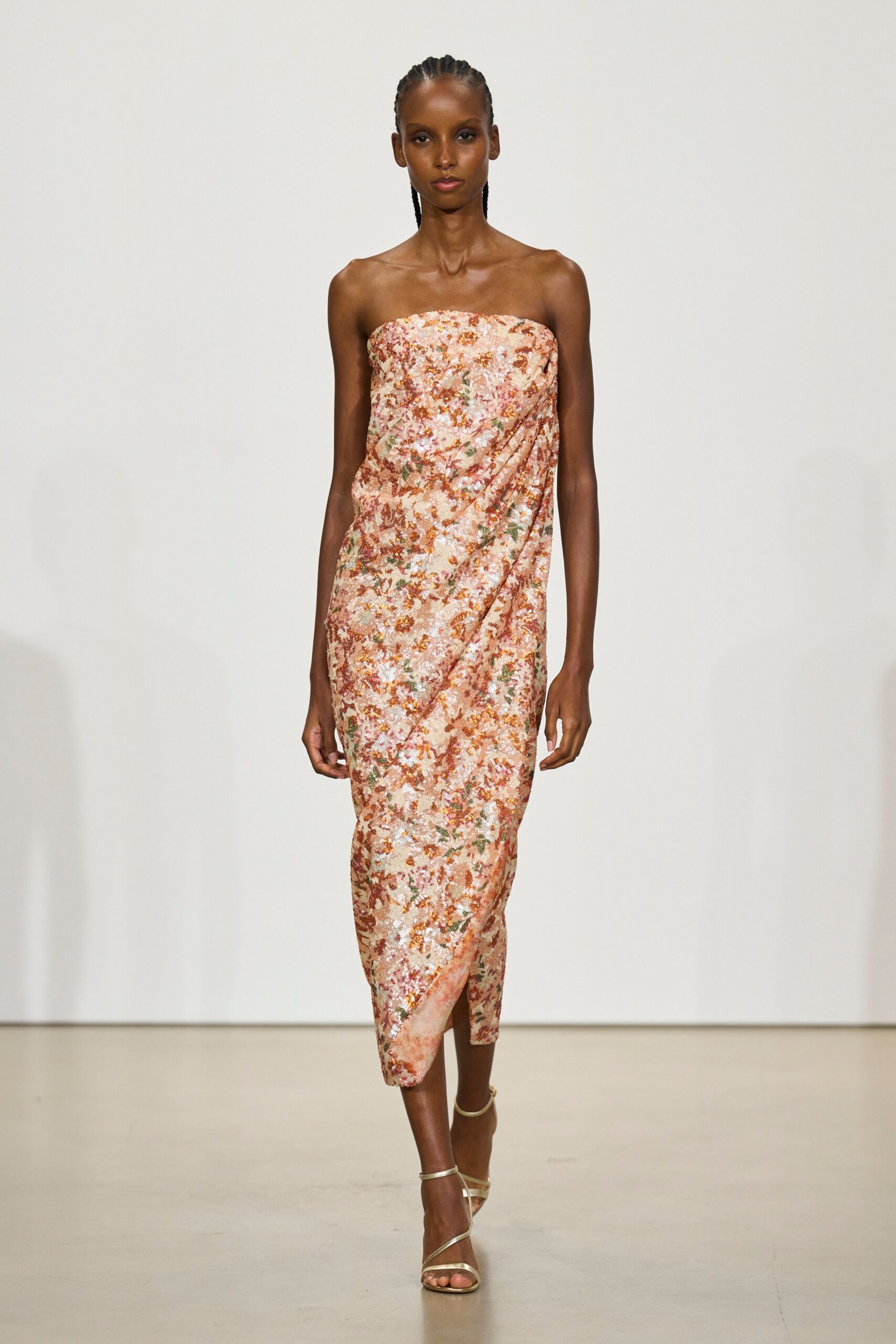
I love the nonchalance of the draped dresses. I also love the slip-style dress with a very low back, which is a classic with a twist. That’s what I do best: femininity with a bite. Through what she conceals and reveals, she’s playing a little game of seduction with herself, or with someone she wants to.
My favorite is the first look, the white dress with the loose knot. How would you style it three ways?
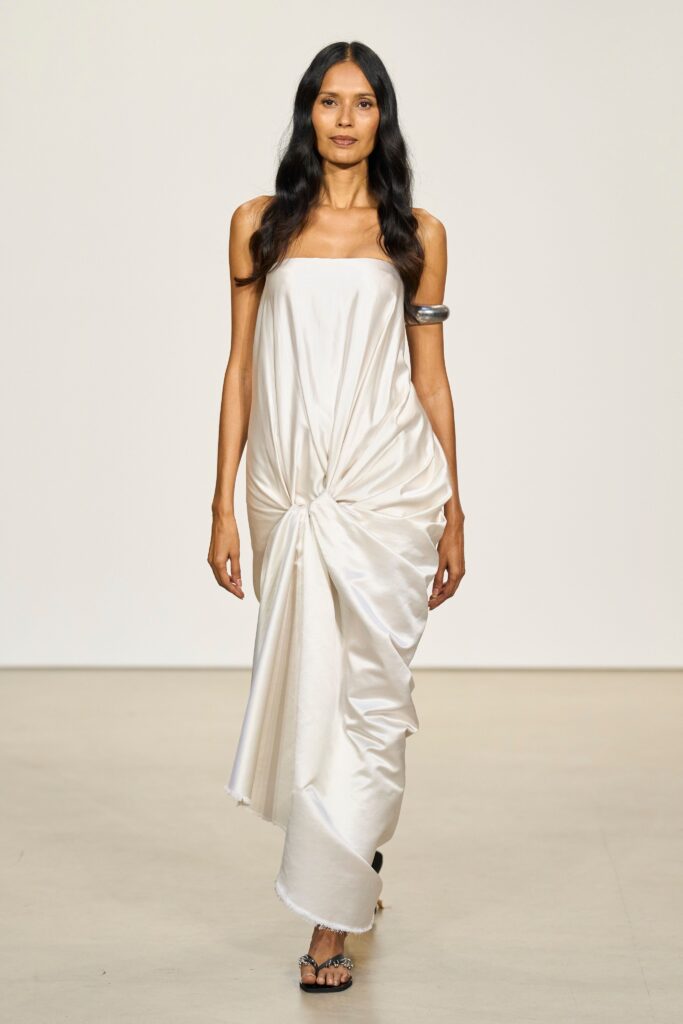
It’s a versatile dress. Easiest: low sandals, out and about in the city in summer. Or heels and jewelry to dress it up. Or wear a turtleneck underneath with boots, so you catch a glimpse of it as you walk.
You can also put a tailored jacket over it, which cinches the waist and turns the drape into a skirt. For an art gallery opening, try a leather bomber, which gives you a cinched waist while the skirt becomes more ethereal.
Whenever I design something, I put it on a model and try different things. That’s why we have such different customers: they make it their own. I feel most successful when the woman decides how she wants to wear it.
Inclusivity in fashion still feels uneven when it comes to size, age, and race. What’s still treated as optional, and what should be non-negotiable?
What shouldn’t be optional is honesty. I’d rather someone say, “This is who I am, and I don’t believe in this,” than do performative alignment. Not everyone’s experience is the same. And change shouldn’t be the burden of designers of color or minority designers alone. It’s a collective effort, but it has to be an honest one. You can’t force it on people.
Change isn’t something you reach; it’s something you practice. I’ve done that around age and size for a long time, but responsibility can’t sit only with the creative. If a runway shows diverse bodies and the stores don’t carry them, the change isn’t real. It needs support from every part of the industry.
My goal is to tell a human story, so whether or not you see yourself in it, it resonates. Good fashion doesn’t just make you look fabulous, it makes you feel beautiful. I design for the woman who says, “I don’t need another dress,” and then buys it, because she wants to, because of how it makes her feel. Customers here have built their wardrobes with me for years, and they all say, “I feel like myself.” That’s the biggest compliment. My job isn’t to make women beautiful. They already are. My job is to meet them where they are.
A young designer in Kathmandu shows you their first collection. What do you tell them first, and what do you warn them about?
First: if you strip everything away, what is truly you? Why is this your calling? What is so special that it needs to exist, and what story do you want to tell, and how? I don’t claim to have all the answers, but those are the questions to ask. If someone says, “I want to be famous,” that’s fine too. At least then you’re clear about your goal.
My warning is about getting intoxicated by the idea of fame. Aspiring is fine, but pragmatism matters, because it takes work. Don’t rush into launching your own collection. Learn the ropes. Learn about profit margins, sourcing, pricing. This business is about 95 percent hard work and, if you’re lucky, 5 percent glamour. I’ve always defined success on my own terms and looked at longevity. I’m the first person to say, “I don’t know, let me find out.”
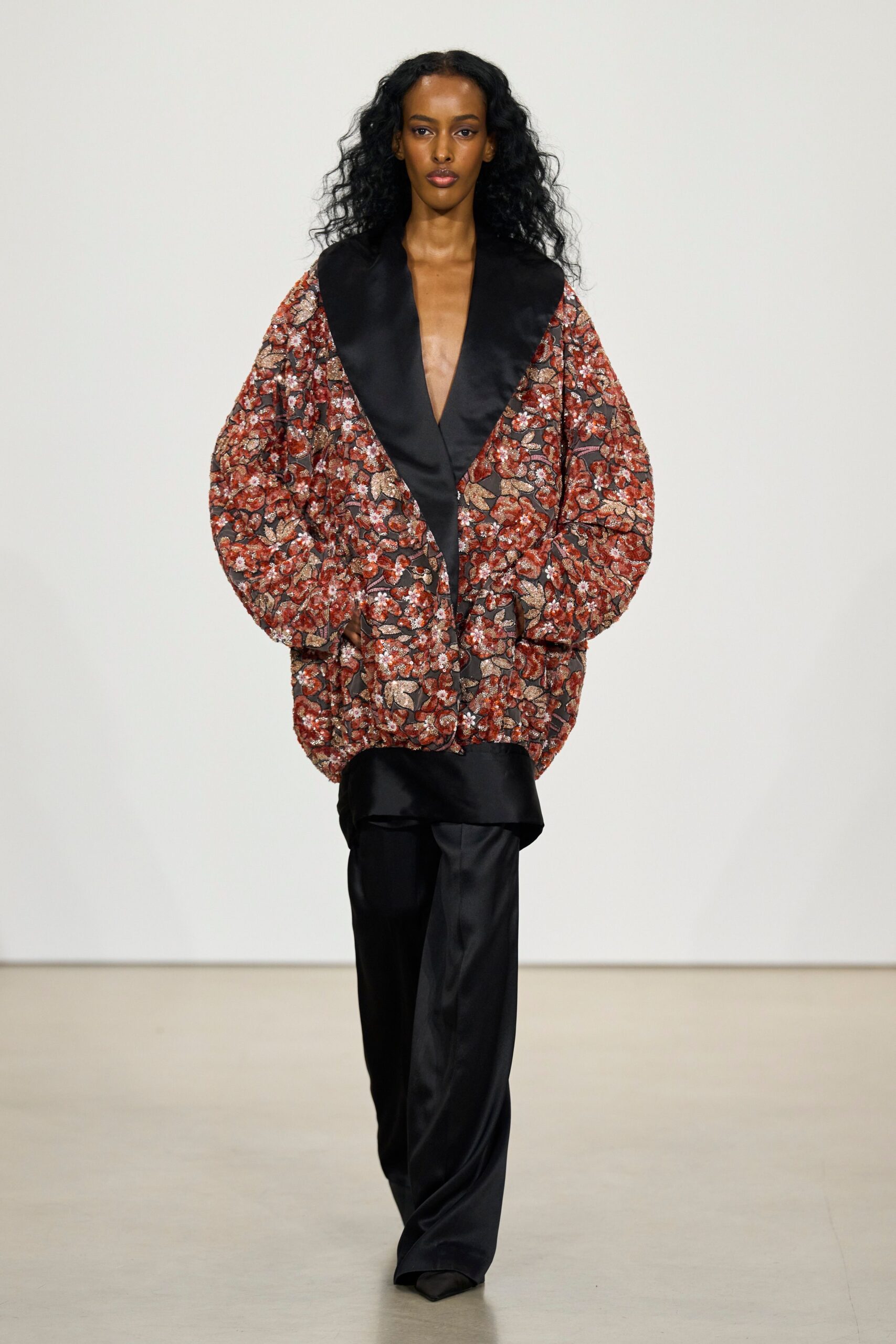
Five years from now, beyond sales, press, and red carpets, what would tell you the work matters?
I’m grateful for the Met Gala moments and the celebrity dressing. They put my name on the map. But what moves me most is when someone stops me on the street in New York and says, “I’ve worn your clothes, and with the story you tell, I feel seen.” My biggest job is to make the people who wear my clothes feel seen. The clothes become the conversation piece.
The real impact, though, is the foundation I started in Nepal ten years ago. Early in my career, Fashion Week Daily ran my picture with the headline “A star is born.” I was grateful, but I immediately called my brother and sister and said I wanted to start a foundation, because all this attention would go to my head and I’d start believing the hype. Let’s channel it where it’s needed.
Shikshya Foundation Nepal started with 12 girls. Now it’s more than 500 kids, and over ten years we’ve impacted more than a million lives. Some have become doctors, engineers, writers, and artists- the first in their villages to do so. We run it with zero overhead, so 100 percent of what we raise goes to the cause. When people say, “It’s just fashion, you’re not saving lives,” I say I have tangible proof that it changes them. Pursuing what I love relentlessly and with humility has let me create possibilities for others, not just a name for myself.
This interview was edited for length and clarity.
The Prabal Gurung collections, including Fall, Pre-Fall, Resort, and Spring 2027 (available for pre-order), are available at Neiman Marcus Michigan Avenue in Chicago at 737 N. Michigan Ave.



